
Fear of disappointing others
A friend asks a favour, your manager asks you to stay late, your family expects you for the weekend. You are already worn out, but the word yes is out before you can stop it. Later you lie awake going over every conversation, worried that someone is upset with you.
Many people find that with the right help, they can say no kindly, ask for what they need and still feel liked and respected.
Use code PHOBIA at checkout for half price: £24.50 instead of £49. Outside the UK? $29.50.
Understanding this fear
Wanting the people you care about to be happy is a good thing. With a fear of disappointing others, the worry goes much further. Letting someone down can feel unbearable, so you keep saying yes, hiding your own needs and checking that everyone is all right. It is often called people pleasing, and it can leave you worn out and feeling that nobody really knows what you want.
It is closely linked to fear of being judged, fear of rejection and abandonment, fear of conflict and confrontation, fear of failure and fear of imperfection.
Common triggers
- Being asked for a favour when you are already stretched
- Having to say no or cancel plans
- Feedback or a review at work
- A short reply, or no reply, to a message
- Family expectations at birthdays and Christmas
- Making a mistake that affects someone else
- Asking for help or for what you need
- Someone seeming quiet or annoyed around you
Where it shows up
- At work, with managers and colleagues
- With parents and family
- In friendships and group plans
- In relationships
- At school, college or university
- In clubs, volunteering and on the school run
Symptoms
In your body
- Knot in the stomach
- Hot face
- Tight chest
- Tension headaches
- Trouble sleeping
In your mind
- They’ll be upset with me
- I’ve let them down
- I should have said yes
- They won’t like me any more
- It’s my job to keep everyone happy
What you might do
- Saying yes on autopilot
- Apologising a lot
- Over explaining
- Avoiding asking for help
- Checking messages for signs of upset
What causes it
A fear of disappointing others often starts in childhood, for example if praise seemed to depend on being good, helpful or high achieving, or if you grew up keeping the peace in a tense home. It can also grow after a relationship or a job where someone was hard to please. Over time, the mind learns that other people’s approval is how you stay safe.
How it can affect your life
This fear can leave you overworked, overcommitted and quietly resentful. Some people find their own goals and needs get pushed aside for years. It can make relationships feel one sided and leave you tired even when nothing is wrong.
Things that can help day to day
- Pause before you answer a request, and say you will get back to them
- Practise small, kind refusals, such as “not this time, but thank you”
- Notice whose needs you are meeting, and include your own
- Remember that other people are allowed to feel disappointed, and you can both cope with it
- Write down three things you want this week, just for you
When to get help
It is worth getting help if this fear leaves you exhausted, stops you looking after yourself or makes you feel trapped at work or in a relationship. If you feel afraid of someone close to you, or you are being controlled or hurt, you can call the free National Domestic Abuse Helpline on 0808 2000 247 in the UK, or the National Domestic Violence Hotline on 1 800 799 7233 in the US.
If you feel low, anxious most of the time or burnt out, talk to your GP. If you ever feel unable to cope, you can call Samaritans free on 116 123 in the UK, or call or text 988 in the US.
How I can help
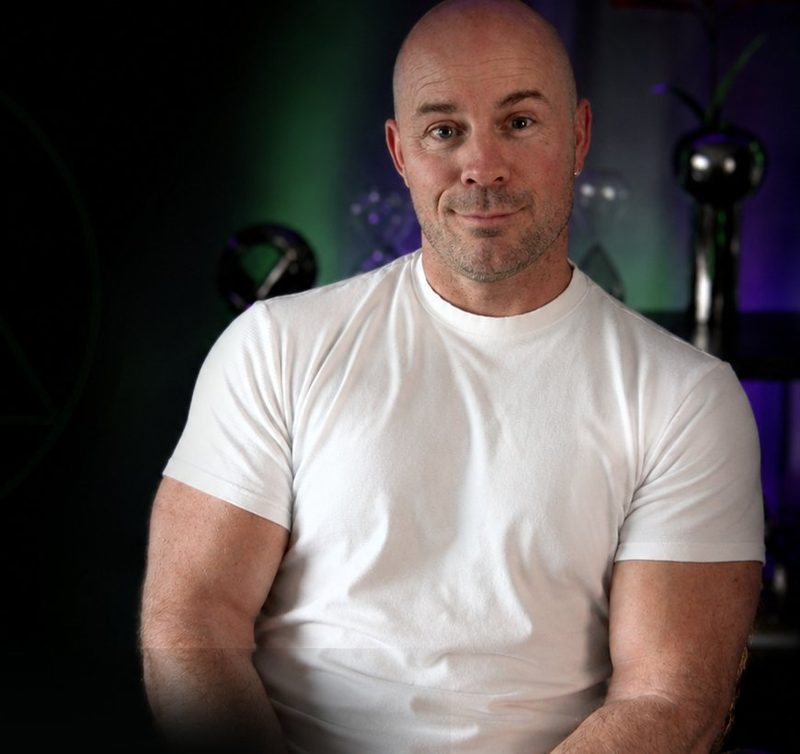
If you’ve tried to talk yourself out of this fear and it hasn’t worked, that isn’t a lack of willpower. A phobia is an alarm your mind learned, and logic alone rarely switches it off.
When I work with a fear of disappointing others, I first find out where the need to keep everyone happy began and which situations hit you hardest. Using hypnotherapy and NLP over Zoom, I help your mind let go of the old alarm, so that saying no feels safe. We rehearse calmly turning down a request and staying relaxed afterwards, until it feels ordinary. You get a recording of the hypnosis to listen to whenever you need it.
I’ve spent 17 years in clinical practice and helped more than 1,000 people with phobias. I hold a Postgraduate Certificate and a Postgraduate Diploma in Clinical Hypnotherapy, both with Distinction.
If you’re feeling low or on edge most of the time, talking to your GP or someone you trust can help too.
Common questions
Is a fear of disappointing others a real phobia?
It is not a medical diagnosis, but it is a real and common kind of anxiety. When the fear is far stronger than the situation and shapes how you live, it can be worked on in the same way as a phobia.
Will I stop caring about other people?
No. The aim is to keep your kindness and add your own needs back in, so that your yes means yes and your no feels allowed.
Is people pleasing the same thing?
They are closely linked. People pleasing is often what you do to avoid the feeling of letting someone down. We work on the feeling underneath.
How do sessions work?
I use hypnotherapy and NLP to change how your mind responds to this fear. Sessions are one to one over Zoom, and you get a recording of the hypnosis to listen to afterwards.
How many sessions will I need?
Many clients notice a real difference after one 90 minute session. If the fear goes back a long way, three sessions gives us room to make the change stick.
Further reading: NHS: Phobias, NHS: Generalised anxiety disorder
Ready to start?
A short call is the simplest next step. We’ll talk about your fear, what you’d like to feel instead, and whether I’m the right person to help.
- Take the free test at the top of this page to see how strong your fear is.
- Book a 30 minute call. Use code PHOBIA at checkout for half price: £24.50 instead of £49 ($29.50 outside the UK).
- Start your sessions over Zoom from wherever you live, or face to face in Hertfordshire.
See all session options and prices