
Fear of endoscopy and colonoscopy
A fear of endoscopy and colonoscopy can make a letter from the hospital or a call from the screening team feel impossible to answer. You may have put off a test for months, or lie awake for nights before it.
Many people find that with the right help, they can book the test, walk into the unit and go through it feeling calmer, so they get the answers they need.
Use code PHOBIA at checkout for half price: £24.50 instead of £49. Outside the UK? $29.50.
Understanding this fear
Almost everyone feels uneasy before a camera test. With a fear of endoscopy and colonoscopy, the dread is far stronger than the procedure itself and it can stop you going at all. An endoscopy (often called a gastroscopy, or an upper endoscopy in the US) looks at your food pipe and stomach through the mouth. A colonoscopy looks at your bowel. Some people fear gagging or choking, some fear pain, some fear the embarrassment, and many fear what the test might find.
There is no single medical name for it. It is closely linked to a fear of doctors, a fear of hospitals, a fear of cancer, a fear of choking and a fear of anaesthesia.
Common triggers
- The tube or camera going in
- Gagging or feeling you cannot breathe
- Embarrassment about the position or being exposed
- The bowel preparation and needing the toilet
- Pain or discomfort
- Sedation, or being awake during the test
- Not being in control
- What the results might show
Where it shows up
- Hospital endoscopy units
- Bowel cancer screening appointments
- Gastroscopy or upper endoscopy for stomach problems
- Colonoscopy or flexible sigmoidoscopy
- Follow up checks after earlier findings
- Talking to your GP about bowel or stomach symptoms
- Reading or hearing other people’s stories
Symptoms
In your body
- Racing or pounding heart
- Churning stomach or feeling sick
- Tight throat or a gagging feeling
- Sweating or feeling hot
- Trouble sleeping before the test
In your mind
- What if it hurts or I cannot cope?
- Picturing gagging or choking
- Feeling embarrassed at the thought of it
- Imagining bad news
- Wanting to cancel right up to the last minute
What you might do
- Not booking or cancelling the test
- Putting off seeing your GP about symptoms
- Ignoring screening kits or letters
- Searching online for worst case stories
- Asking about every detail, or avoiding knowing anything at all
What causes it
A painful or frightening test in the past, a bad experience with gagging, or a family member’s illness can be enough to start it. For some people it comes from a strong sense of privacy or embarrassment about the body, and for others from health worries that make every test feel like a verdict. It often grows out of a fear of doctors, hospitals or choking. Once the fear is there, putting off the test brings quick relief, which teaches your mind that the test really was dangerous, so the fear grows.
How it can affect your life
A fear of endoscopy and colonoscopy can mean months of worry, symptoms left unchecked and screening ignored. People lose sleep, feel ashamed of putting it off, and find the worry about what might be wrong grows the longer they wait. For many, getting the test done is a real weight off, whatever it shows.
Things that can help day to day
- Ask the endoscopy unit what happens step by step, and what your choices are for sedation or throat spray
- Breathe out slowly, a little longer than you breathe in, while you wait and during the test
- Tell the nurse you are anxious. They see nervous people every day and can talk you through it
- Take someone with you if the unit allows it, and plan something calm for afterwards
- Remind yourself that the test is there to give you answers, and that you can ask to pause
When to get help
Please keep any test your doctor or the screening programme has asked you to have. If you have put it off, call the unit or your GP practice and tell them how you feel. They can often explain your options, such as sedation, and make changes to help. Getting help with the fear alongside is a good idea.
If you have symptoms such as blood in your poo, a change in your bowel habits, tummy pain, trouble swallowing or weight loss you cannot explain, do not wait. Please see your GP. If the anxiety is affecting your daily life, your GP is a good first port of call for that too.
How I can help
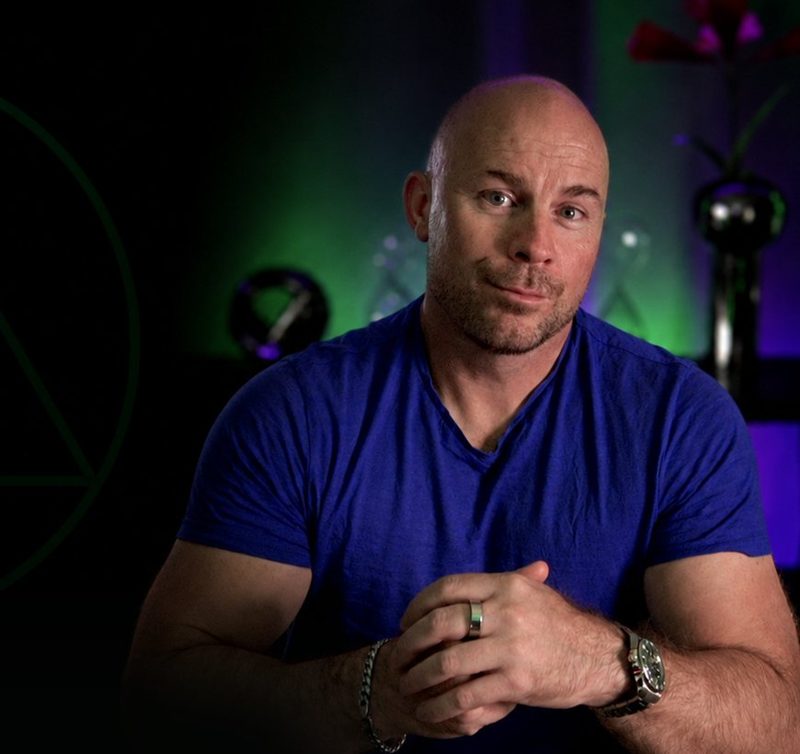
If you’ve tried to talk yourself out of this fear and it hasn’t worked, that isn’t a lack of willpower. A phobia is an alarm your mind learned, and logic alone rarely switches it off.
When I work with a fear of endoscopy and colonoscopy, I first find out what the fear is really about for you, whether that is gagging, pain, embarrassment or the results. Using hypnotherapy and NLP over Zoom, I help your mind let go of the old alarm, so the test becomes something you can get through. We rehearse the day in your mind, calmly and in detail, from the preparation to walking out afterwards. You get a recording of the hypnosis to listen to in the days before and on the way in. My work sits alongside your medical care, never in place of it.
I’ve spent 17 years in clinical practice and helped more than 1,000 people with phobias. I hold a Postgraduate Certificate and a Postgraduate Diploma in Clinical Hypnotherapy, both with Distinction.
If you’re feeling low or on edge most of the time, talking to your GP or someone you trust can help too.
Common questions
Is it normal to be scared of a colonoscopy or endoscopy?
Yes, many people feel very nervous about these tests, and endoscopy teams are used to it. It becomes a problem when the fear stops you having a test you need.
Can I have sedation?
Many units offer sedation, pain relief or throat spray, depending on the test and your health. Your endoscopy team is the right person to ask about what is available for you.
Can hypnotherapy help me go through with the test?
Hypnotherapy can help calm the fear so you feel able to book the test and go. It does not replace any medical advice, and the decisions about your test stay with you and your medical team.
How do sessions work?
I use hypnotherapy and NLP to change how your mind responds to this fear. Sessions are one to one over Zoom, and you get a recording of the hypnosis to listen to afterwards.
How many sessions will I need?
Many clients notice a real difference after one 90 minute session. If the fear goes back a long way, three sessions gives us room to make the change stick.
Further reading: NHS: Phobias, NHS: Colonoscopy
Ready to start?
A short call is the simplest next step. We’ll talk about your fear, what you’d like to feel instead, and whether I’m the right person to help.
- Take the free test at the top of this page to see how strong your fear is.
- Book a 30 minute call. Use code PHOBIA at checkout for half price: £24.50 instead of £49 ($29.50 outside the UK).
- Start your sessions over Zoom from wherever you live, or face to face in Hertfordshire.
See all session options and prices