
Fear of geese
A fear of geese can turn a walk by the river or a picnic in the park into something you dread. One hiss, one stretched neck, and your whole body wants to run, so you start choosing routes that keep you well away from the water.
Many people find that with the right help, they can walk past geese calmly, enjoy parks, lakes and campuses again, and give a nesting goose space without the panic.
Use code PHOBIA at checkout for half price: £24.50 instead of £49. Outside the UK? $29.50.
Understanding this fear
Geese can be loud and bold, especially in spring when they protect their nests, so a bit of caution makes sense. With a fear of geese, the reaction is much stronger than the real risk. In the UK it is often greylag or Canada geese in parks and on riverbanks; in the US it is Canada geese on campuses, golf courses and office parks.
It is closely linked to a fear of birds, a fear of pigeons, a fear of chickens and a fear of animals.
Common triggers
- Being hissed at
- A goose running or flying towards you
- Flapping wings close by
- Geese blocking a path
- Goslings with parents nearby
- Feeding ducks and geese
- Loud honking
- Being near water
Where it shows up
- Parks and ponds
- Riverbanks and canal paths
- Lakes and reservoirs
- University campuses
- Golf courses
- Farms and petting zoos
- Office parks and car parks
Symptoms
In your body
- Racing heart
- Freezing on the spot
- Urge to run
- Sweating
- Shaking legs
In your mind
- It’s going to attack me
- I can’t get past it
- Everyone will see me panic
- Pictures of being chased
- Constant scanning for geese
What you might do
- Taking long detours
- Avoiding parks and water
- Walking only with someone else
- Leaving picnics or days out early
- Keeping children away from ponds
What causes it
Being chased, hissed at or nipped by a goose as a child is a very common start. Seeing someone else frightened, or hearing stories about aggressive geese, can do it too. Geese are big, noisy and unpredictable, so your mind can file them as a threat and keep sounding the alarm.
How it can affect your life
A fear of geese can stop you enjoying walks, days out with the family, running routes or simply crossing a park or campus. It can feel embarrassing to explain, so people often keep it to themselves and quietly shrink their world.
Things that can help day to day
- Give geese plenty of space and walk calmly past rather than running
- Keep your eyes on where you are going and breathe out slowly
- Start by watching geese from a safe distance, such as across a pond
- Remind yourself that most hissing is a warning to keep away, not an attack
- Notice and praise yourself for each small step you take
When to get help
It is worth getting help if the fear stops you going to places you need or want to go, or if you feel anxious long before you get there. If you are low or on edge most of the time, your GP is a good first port of call.
How I can help
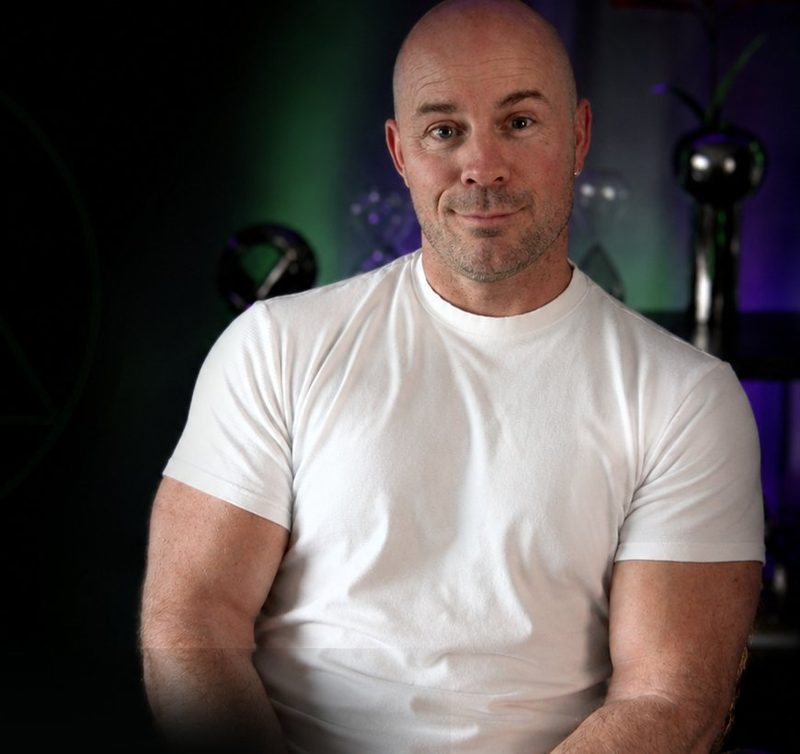
If you’ve tried to talk yourself out of this fear and it hasn’t worked, that isn’t a lack of willpower. A phobia is an alarm your mind learned, and logic alone rarely switches it off.
When I work with a fear of geese, I first find out where the fear began and what part of it is strongest for you, whether that is the hiss, the wings or the feeling of being chased. Using hypnotherapy and NLP over Zoom, I help your mind let go of the old alarm so a goose becomes just a bird by the water again. We rehearse walking past geese calmly in your mind, in detail, until it feels ordinary. You get a recording of the hypnosis to listen to whenever you need it.
I’ve spent 17 years in clinical practice and helped more than 1,000 people with phobias. I hold a Postgraduate Certificate and a Postgraduate Diploma in Clinical Hypnotherapy, both with Distinction.
If you’re feeling low or on edge most of the time, talking to your GP or someone you trust can help too.
Common questions
Is a fear of geese a real phobia?
Yes. There is no separate medical name in common use, but it is a type of bird phobia. When the fear is far stronger than the real risk and shapes your life, it works in the same way as any phobia.
Are geese dangerous?
Geese can hiss, flap and sometimes nip, especially near their nests in spring. Giving them space and walking calmly past is usually enough. A phobia is when the fear is far bigger than that.
Can I get over it without being near geese?
Yes. A lot of the work happens in your mind first, using hypnosis and rehearsal over Zoom. When you feel ready, you can try a calm walk past geese at your own pace.
How do sessions work?
I use hypnotherapy and NLP to change how your mind responds to this fear. Sessions are one to one over Zoom, and you get a recording of the hypnosis to listen to afterwards.
How many sessions will I need?
Many clients notice a real difference after one 90 minute session. If the fear goes back a long way, three sessions gives us room to make the change stick.
Further reading: NHS: Phobias, NHS: Generalised anxiety disorder
Ready to start?
A short call is the simplest next step. We’ll talk about your fear, what you’d like to feel instead, and whether I’m the right person to help.
- Take the free test at the top of this page to see how strong your fear is.
- Book a 30 minute call. Use code PHOBIA at checkout for half price: £24.50 instead of £49 ($29.50 outside the UK).
- Start your sessions over Zoom from wherever you live, or face to face in Hertfordshire.
See all session options and prices