
Fear of roundabouts (traffic circles)
A fear of roundabouts can turn a short drive into a long detour. You plan routes to avoid big junctions, freeze at the give way line, and worry about picking the wrong lane or missing your exit.
Many people find that with the right help, they can approach a roundabout calmly, pick their moment and drive on, instead of planning every journey around them.
Use code PHOBIA at checkout for half price: £24.50 instead of £49. Outside the UK? $29.50.
Understanding this fear
Roundabouts ask you to make quick decisions while traffic keeps moving, so it is common for learners and new drivers to find them hard. With a fear of roundabouts, the worry stays long after you have the skills, and starts to shape your journeys. In the US they are called traffic circles or rotaries, and many American drivers feel the same.
It is closely linked to a general fear of driving, a fear of making decisions, a fear of being judged and a fear of crossing roads.
Common triggers
- Busy roundabouts at rush hour
- Traffic lights on the roundabout
- Spiral and multi lane layouts
- A queue of cars behind you
- Lorries and buses alongside
- Unfamiliar junctions
- Being beeped at
- Driving on the right abroad
Where it shows up
- The daily commute
- Town centres and ring roads
- Retail parks
- New housing estates
- Driving lessons and tests
- Holidays abroad
- Motorway junctions
Symptoms
In your body
- Racing or pounding heart
- Tight grip on the wheel
- Sweating or feeling hot
- Stalling or fumbling gears
- Shaky legs on the pedals
In your mind
- What if I pull out at the wrong moment?
- Picturing being hit from the right
- Worrying the drivers behind are annoyed
- Going blank about which lane to use
- Feeling you are not a proper driver
What you might do
- Taking long detours
- Waiting for a very big gap
- Going all the way round more than once
- Asking others to drive certain routes
- Driving only at quiet times
What causes it
A near miss, a beep from an impatient driver, a stressful lesson or a failed test can all be enough to start it. Once the fear is there, avoiding roundabouts brings quick relief, which teaches your mind that roundabouts really are dangerous, so the fear grows.
How it can affect your life
A fear of roundabouts can add time to every journey, limit where you can work or shop, and knock your confidence as a driver. Some people stop driving altogether because it feels easier than facing one big junction.
Things that can help day to day
- Look at the route on a map before you go, so you know your lane and exit
- Take a refresher lesson with a qualified instructor focused on roundabouts
- Practise on quiet roundabouts at quiet times, then build up
- If you miss your exit, go round again; it is safe and allowed
- Breathe out slowly, a little longer than you breathe in, as you wait at the line
When to get help
It is worth getting help if the fear is stopping you driving where you need to go, or if you have had panic attacks at junctions. If you are anxious most days, your GP is a good first port of call.
How I can help
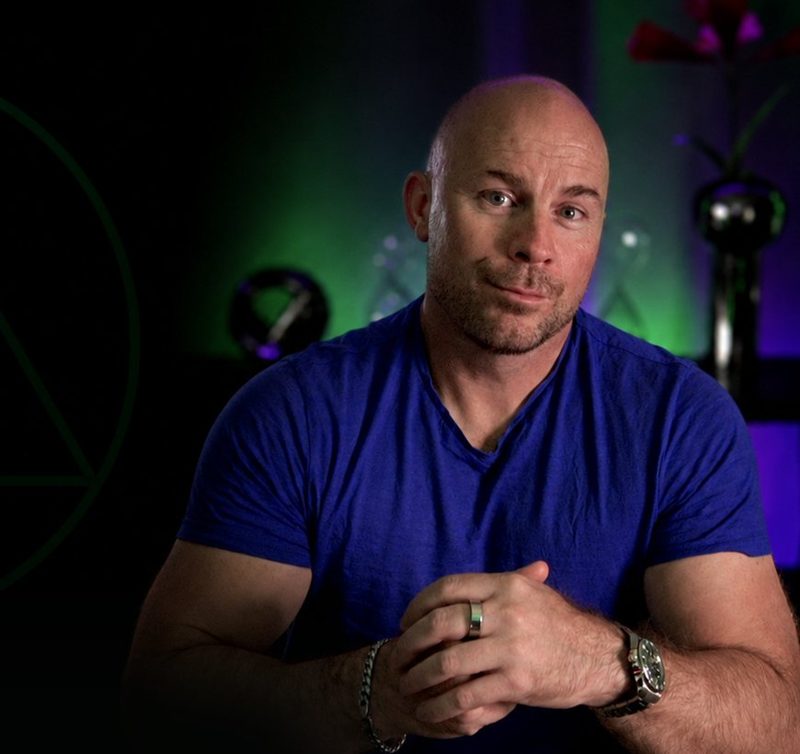
If you’ve tried to talk yourself out of this fear and it hasn’t worked, that isn’t a lack of willpower. A phobia is an alarm your mind learned, and logic alone rarely switches it off.
When I work with a fear of roundabouts, I first find out what the fear is really about for you, whether that is fast traffic, choosing a lane, feeling rushed or being judged by other drivers. Using hypnotherapy and NLP over Zoom, I help your mind let go of the old alarm, so a roundabout becomes just another junction. We rehearse approaching, waiting and pulling out in your mind, calmly and in detail, until it feels manageable. You get a recording of the hypnosis to listen to whenever you need it.
I’ve spent 17 years in clinical practice and helped more than 1,000 people with phobias. I hold a Postgraduate Certificate and a Postgraduate Diploma in Clinical Hypnotherapy, both with Distinction.
If you’re feeling low or on edge most of the time, talking to your GP or someone you trust can help too.
Common questions
Is a fear of roundabouts a real phobia?
There is no separate medical name for it, but when the fear is far stronger than the real risk and starts to shape your life, it works in the same way as a phobia and responds to the same kind of help.
Is it normal to find roundabouts hard after passing my test?
Yes, many new drivers do. Skills grow with practice. If the worry stays strong even when your skills are good, that is the fear, and it can be worked on.
Will working on the fear make me take risks?
No. Only drive when you feel safe to do so. Working on the fear is about feeling calm and in control, not about taking risks.
How do sessions work?
I use hypnotherapy and NLP to change how your mind responds to this fear. Sessions are one to one over Zoom, and you get a recording of the hypnosis to listen to afterwards.
How many sessions will I need?
Many clients notice a real difference after one 90 minute session. If the fear goes back a long way, three sessions gives us room to make the change stick.
Further reading: NHS: Phobias, Marmalade: My biggest fear as a learner is roundabouts
Ready to start?
A short call is the simplest next step. We’ll talk about your fear, what you’d like to feel instead, and whether I’m the right person to help.
- Take the free test at the top of this page to see how strong your fear is.
- Book a 30 minute call. Use code PHOBIA at checkout for half price: £24.50 instead of £49 ($29.50 outside the UK).
- Start your sessions over Zoom from wherever you live, or face to face in Hertfordshire.
See all session options and prices