
Fear of sirens and alarms
A fear of sirens and alarms can keep you braced all the time. A fire alarm test at work, a smoke alarm beeping for a new battery or an ambulance going past can send a jolt right through you.
Many people find that with the right help, they can hear an alarm or a siren, notice it and carry on calmly, instead of living on edge waiting for the next one.
Use code PHOBIA at checkout for half price: £24.50 instead of £49. Outside the UK? $29.50.
Understanding this fear
Alarms and sirens are meant to grab attention, so a jump when one goes off is normal. With a fear of sirens and alarms, the reaction is much stronger and the worry starts before any sound at all. In the US people often say smoke detectors and fire drills, and the fear is the same.
It is closely linked to a fear of loud noises, a fear of fire, a fear of accidents and a fear of losing control.
Common triggers
- Not knowing when the next test is
- High pitched beeping
- Sirens getting closer
- Alarms going off at night
- Crowds rushing out of a building
- Flashing lights
- Children setting off alarms
- News of emergencies nearby
Where it shows up
- Offices and schools
- Hotels and holiday flats
- Shopping centres and malls
- Hospitals
- Busy city streets
- Your own kitchen when cooking
- On your phone with emergency alerts
Symptoms
In your body
- Jumping or freezing
- Pounding heart
- Covering your ears
- Shaking or feeling sick
- Trouble settling afterwards
In your mind
- Something terrible is happening
- I need to get out now
- Constant listening for the next sound
- Dreading test days
- Picturing emergencies
What you might do
- Avoiding buildings on alarm test days
- Wearing earplugs or headphones
- Leaving early to beat a drill
- Staying home when you can
- Asking others to deal with beeping alarms
What causes it
A real fire, an evacuation, a frightening night in a hotel or a time when a siren meant someone you love was in danger can start it. So can a very sensitive startle response. Once the fear is there, avoiding alarms brings relief, which teaches your mind that the sound itself is the danger.
How it can affect your life
A fear of sirens and alarms can make work, school and travel stressful and leave you tense in public places. Some people feel tempted to switch off smoke alarms at home, which puts them at real risk.
Things that can help day to day
- Never take the battery out of a smoke alarm or cover it. Ask someone to test it while you sit in another room, and move closer bit by bit
- Ask when planned alarm tests are, so you can prepare instead of being caught out
- Remind yourself that a siren going past usually means help is on its way to someone
- Use soft earplugs for short spells if you need them, while you work on the fear
- Breathe out slowly, a little longer than you breathe in, when you hear an alarm
When to get help
It is worth getting help if the fear is affecting your work, sleep or where you go. If sirens or alarms bring back a frightening event you lived through, please talk to your GP, as that may need a different kind of support. Autistic people and people with sensory sensitivities may find alarms painful for reasons that are not a phobia, and they deserve support that fits that.
How I can help
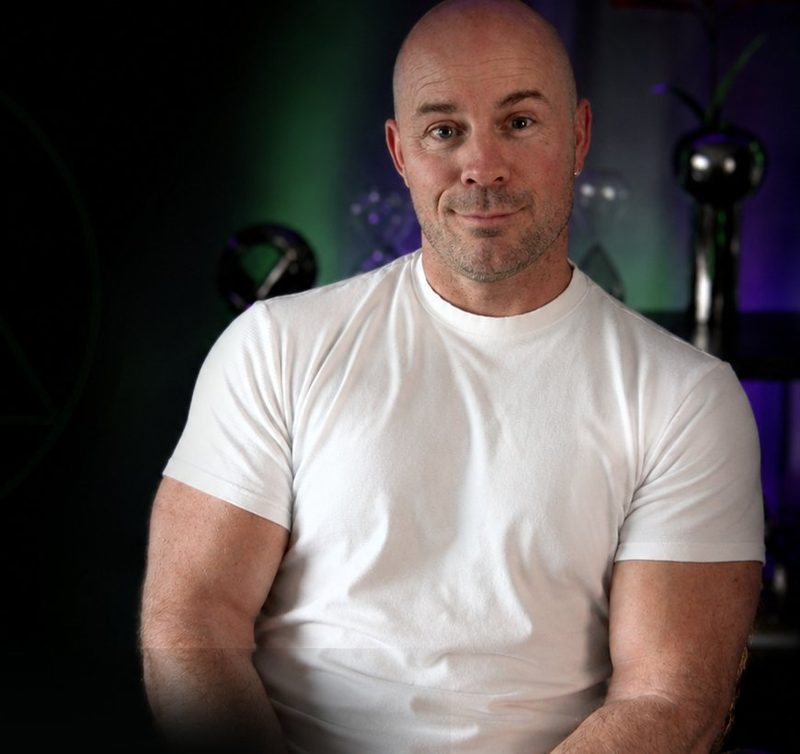
If you’ve tried to talk yourself out of this fear and it hasn’t worked, that isn’t a lack of willpower. A phobia is an alarm your mind learned, and logic alone rarely switches it off.
When I work with a fear of sirens and alarms, I first find out what the fear is really about for you, whether that is the sound, a past event or not knowing when it will come. Using hypnotherapy and NLP over Zoom, I help your mind let go of the old alarm inside you, so a real one becomes something you notice and deal with calmly. We rehearse hearing alarms and sirens in your mind, in detail, until it feels ordinary. You get a recording of the hypnosis to listen to whenever you need it.
I’ve spent 17 years in clinical practice and helped more than 1,000 people with phobias. I hold a Postgraduate Certificate and a Postgraduate Diploma in Clinical Hypnotherapy, both with Distinction.
If you’re feeling low or on edge most of the time, talking to your GP or someone you trust can help too.
Common questions
Is a fear of sirens and alarms a real phobia?
Yes. It is a specific phobia linked to sounds. When the fear is far stronger than the real risk and starts to shape your life, it responds well to the right help.
Will I still react if there is a real emergency?
Yes. The aim is to stop the panic, so you can hear an alarm and act clearly, which is what keeps you safe.
Can this help with fire drills at work or school?
Many people find that once the fear settles, planned drills feel like an ordinary part of the day.
How do sessions work?
I use hypnotherapy and NLP to change how your mind responds to this fear. Sessions are one to one over Zoom, and you get a recording of the hypnosis to listen to afterwards.
How many sessions will I need?
Many clients notice a real difference after one 90 minute session. If the fear goes back a long way, three sessions gives us room to make the change stick.
Further reading: NHS: Phobias, NHS: Generalised anxiety disorder
Ready to start?
A short call is the simplest next step. We’ll talk about your fear, what you’d like to feel instead, and whether I’m the right person to help.
- Take the free test at the top of this page to see how strong your fear is.
- Book a 30 minute call. Use code PHOBIA at checkout for half price: £24.50 instead of £49 ($29.50 outside the UK).
- Start your sessions over Zoom from wherever you live, or face to face in Hertfordshire.
See all session options and prices