
Fear of slugs and snails
A fear of slugs and snails can make a walk across the lawn after rain, an evening in the garden or putting your shoes on feel like a risk. You check every step, and the thought of touching one makes your skin crawl.
Many people find that with the right help, they can garden, walk on wet grass and step outside at night feeling settled, without scanning the ground for every slug.
Use code PHOBIA at checkout for half price: £24.50 instead of £49. Outside the UK? $29.50.
Understanding this fear
Plenty of people dislike slugs, especially when they find one in the house. With a fear of slugs and snails, the reaction is far stronger than these small, harmless creatures call for. Some people fear the slime, some fear stepping on one, and some feel a strong disgust they cannot switch off.
It is sometimes called limacophobia (slugs) or cochleophobia (snails). It is closely linked to a fear of slime, a fear of worms, a fear of insects and the wider fear of animals.
Common triggers
- Slime and slime trails
- The way they move
- Stepping on one in bare feet or socks
- Finding one indoors
- Wet lawns and paths after rain
- Garden work, pots and compost bins
- Snail shells crunching underfoot
- Seeing one on food or vegetables
Where it shows up
- Gardens, lawns and allotments
- Doorsteps, patios and paths
- Kitchens and utility rooms in damp weather
- Parks and walks after rain
- Camping and festivals
- Pet bowls left outside
- Shoes and boots left by the door
Symptoms
In your body
- Skin crawling or shuddering
- Feeling sick or gagging
- Jumping back or freezing
- Racing heart
- Tense shoulders when you walk outside
In your mind
- What if I tread on one?
- Picturing slime on your skin
- Feeling a wave of disgust
- Thinking they are everywhere after rain
- Replaying finding one indoors
What you might do
- Staying in after rain or at night
- Wearing shoes even in the house
- Checking shoes and steps every time
- Asking others to deal with them
- Avoiding gardening or giving it up
What causes it
Stepping on a slug in bare feet, finding one in your shoe or seeing a parent react with disgust can be enough to start it. For many people it is driven more by disgust than by fear, which is why the slime and the feel of it matter so much. Once the fear is there, avoiding them brings quick relief, which teaches your mind that slugs and snails really were a threat, so the fear grows.
How it can affect your life
A fear of slugs and snails can stop you enjoying your own garden, going out on wet evenings or relaxing at home in autumn. People give up hobbies they love, feel embarrassed asking others for help, and spend time checking and cleaning that they would rather spend on something else.
Things that can help day to day
- Breathe out slowly, a little longer than you breathe in, when you see one
- Look at pictures first, then watch one from a distance, at your own pace
- Wear gloves and shoes in the garden while you build up confidence
- Fix the gaps by doors and windows so you feel more in control indoors
- Remind yourself that slugs and snails are slow, gentle and cannot hurt you
When to get help
Slugs and snails are harmless to people, though it makes sense to wash your hands after gardening and wash salad and vegetables well. It is worth getting help if you are avoiding your garden, staying in after rain or spending a lot of time checking and cleaning.
If checking or cleaning feels like something you must do and cannot stop, or the anxiety is affecting your daily life, your GP is a good first port of call.
How I can help
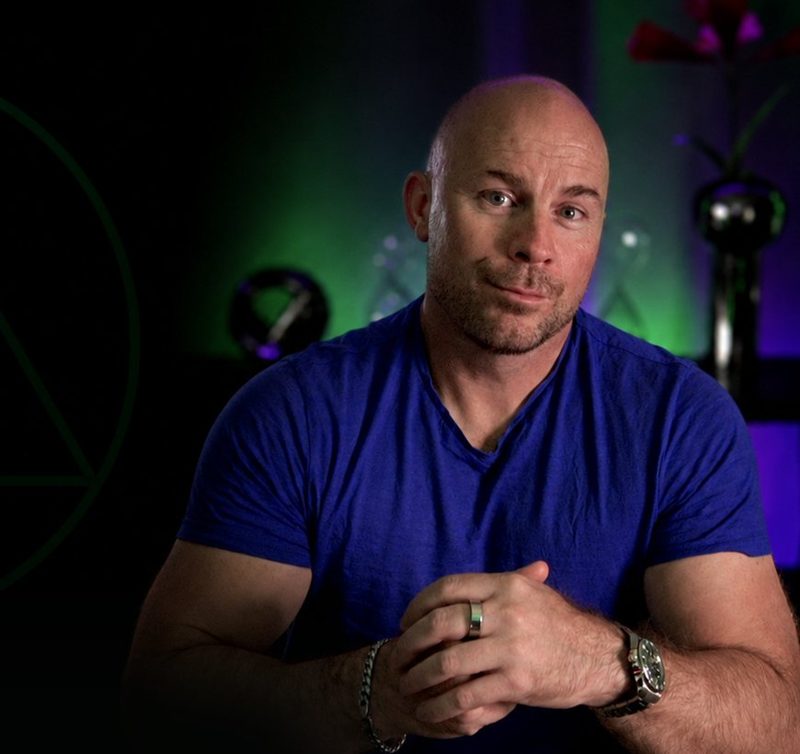
If you’ve tried to talk yourself out of this fear and it hasn’t worked, that isn’t a lack of willpower. A phobia is an alarm your mind learned, and logic alone rarely switches it off.
When I work with a fear of slugs and snails, I first find out what the fear is really about for you, whether that is the slime, the disgust or stepping on one. Using hypnotherapy and NLP over Zoom, I help your mind let go of the old alarm, so a slug becomes just a small creature in the garden. We rehearse stepping outside after rain in your mind, calmly and in detail, until it feels ordinary. You get a recording of the hypnosis to listen to whenever you need it.
I’ve spent 17 years in clinical practice and helped more than 1,000 people with phobias. I hold a Postgraduate Certificate and a Postgraduate Diploma in Clinical Hypnotherapy, both with Distinction.
If you’re feeling low or on edge most of the time, talking to your GP or someone you trust can help too.
Common questions
Is a fear of slugs a real phobia?
Yes. Any fear that is far stronger than the real risk and starts to shape your life can be a phobia. Slugs and snails are a common one, especially in damp places like the UK.
Why do slugs make me feel sick?
For many people this fear is driven by disgust as much as fear. Disgust is the body’s way of keeping you away from things that seem dirty or slimy, and it can be learned and unlearned like fear.
Do I have to touch one to get over it?
No. The aim is to feel calm when you see one or find one nearby, not to pick them up. What you choose to do after that is up to you.
How do sessions work?
I use hypnotherapy and NLP to change how your mind responds to this fear. Sessions are one to one over Zoom, and you get a recording of the hypnosis to listen to afterwards.
How many sessions will I need?
Many clients notice a real difference after one 90 minute session. If the fear goes back a long way, three sessions gives us room to make the change stick.
Further reading: NHS: Phobias
Ready to start?
A short call is the simplest next step. We’ll talk about your fear, what you’d like to feel instead, and whether I’m the right person to help.
- Take the free test at the top of this page to see how strong your fear is.
- Book a 30 minute call. Use code PHOBIA at checkout for half price: £24.50 instead of £49 ($29.50 outside the UK).
- Start your sessions over Zoom from wherever you live, or face to face in Hertfordshire.
See all session options and prices