
Fear of veins
A fear of veins can be unsettling because veins are part of your own body. Seeing them on the back of your hand, talking about them, or watching someone have a blood test can make you feel sick, dizzy or faint.
Many people find that with the right help, they can look at their arms, sit through medical appointments and hear people talk about veins without that rush of dread.
Use code PHOBIA at checkout for half price: £24.50 instead of £49. Outside the UK? $29.50.
Understanding this fear
Veins carry blood back to your heart and are a normal, healthy part of your body. With a fear of veins, the reaction is far bigger than the situation. It is often linked to a fear of blood, needles or injury, and some people feel a sudden drop in heart rate and blood pressure that makes them feel faint. That fainting response is common with blood related fears.
It is closely linked to fear of blood, fear of needles, fear of blood tests, fear of fainting and fear of doctors.
Common triggers
- Seeing veins on the back of your hand
- Looking at wrists and inner arms
- Having blood taken
- Drips and cannulas in hospital
- Close ups of veins in films
- People talking about veins
- Veins that stand out after exercise or in heat
- Medical diagrams and photos
Where it shows up
- GP surgeries and clinics
- Hospitals
- Blood donation sessions
- Gyms
- Hot weather and summer clothes
- Biology lessons
- Medical dramas and documentaries
Symptoms
In your body
- Feeling faint or dizzy
- Feeling sick
- Going pale or clammy
- Weak legs
- Racing heart then a sudden drop
In your mind
- I’m going to pass out
- I can’t look at it
- What if something goes wrong
- I feel it pulsing
- Pictures of veins being pierced
What you might do
- Covering your arms and wrists
- Putting off blood tests
- Looking away from your own hands
- Turning off medical programmes
- Leaving the room when veins come up
What causes it
A fear of veins often starts after a difficult blood test, a fainting episode, an injury or seeing something upsetting as a child. It is often part of a wider fear of blood, needles or injury, and can run in families. Once your body has reacted with faintness, your mind can start to fear that feeling as much as the veins themselves.
How it can affect your life
A fear of veins can make people put off blood tests, scans and treatment, which can affect their health. It can also make the gym, hot weather or simply looking at your own body uncomfortable. Many people feel embarrassed and do not tell their doctor or nurse.
Things that can help day to day
- Start by looking at a simple drawing of a vein for a few seconds, then build up
- Practise tensing your arm and leg muscles for a few seconds to help stop feeling faint
- Tell the nurse or doctor about your fear so they can help you lie down if needed
- Breathe out slowly and let your shoulders drop when you feel the fear rise
- Notice and praise yourself for each small step you take
When to get help
Blood tests and medical care still matter, so please do not put them off. Tell your GP or nurse about your fear, as they can often let you lie down and take things slowly. If you faint often, or faint without a clear reason, see your GP to check what is behind it.
How I can help
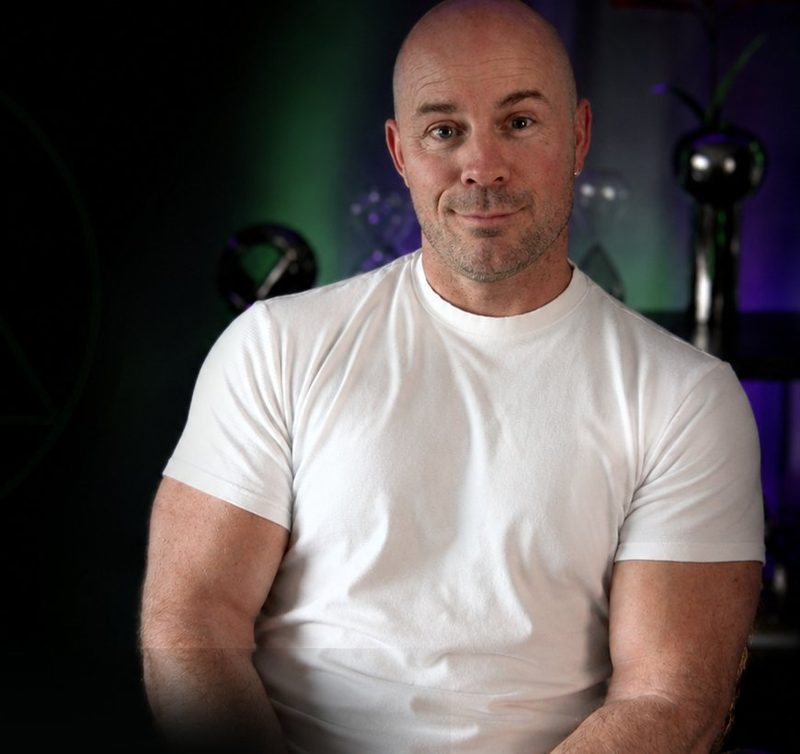
If you’ve tried to talk yourself out of this fear and it hasn’t worked, that isn’t a lack of willpower. A phobia is an alarm your mind learned, and logic alone rarely switches it off.
When I work with a fear of veins, I first find out where the fear began and what part is strongest for you, whether that is seeing them, the thought of a needle or the fear of fainting. Using hypnotherapy and NLP over Zoom, I help your mind let go of the old alarm so a vein becomes just a normal part of your body again. We rehearse a calm blood test in your mind, in detail, until it feels ordinary. You get a recording of the hypnosis to listen to whenever you need it.
I’ve spent 17 years in clinical practice and helped more than 1,000 people with phobias. I hold a Postgraduate Certificate and a Postgraduate Diploma in Clinical Hypnotherapy, both with Distinction.
If you’re feeling low or on edge most of the time, talking to your GP or someone you trust can help too.
Common questions
Is a fear of veins a real phobia?
Yes. It is closely related to blood and needle fears. When the fear is far stronger than the situation and shapes your life, it works in the same way as any phobia.
Why do I feel faint when I see veins?
Some people have a reaction where heart rate and blood pressure drop suddenly when they see blood or think about injury. It is common with these fears, and tensing your muscles can help.
Can I still have blood tests?
Yes, and it is important that you do. Tell the staff about your fear. Many people find it easier to lie down, look away and use slow breathing.
How do sessions work?
I use hypnotherapy and NLP to change how your mind responds to this fear. Sessions are one to one over Zoom, and you get a recording of the hypnosis to listen to afterwards.
How many sessions will I need?
Many clients notice a real difference after one 90 minute session. If the fear goes back a long way, three sessions gives us room to make the change stick.
Further reading: NHS: Phobias, NHS: Blood tests
Ready to start?
A short call is the simplest next step. We’ll talk about your fear, what you’d like to feel instead, and whether I’m the right person to help.
- Take the free test at the top of this page to see how strong your fear is.
- Book a 30 minute call. Use code PHOBIA at checkout for half price: £24.50 instead of £49 ($29.50 outside the UK).
- Start your sessions over Zoom from wherever you live, or face to face in Hertfordshire.
See all session options and prices