
Fear of losing control
A fear of losing control can make you avoid anything that feels unpredictable, from flying and driving to drinking, letting others plan, or even going to sleep.
Many people find that with the right help, they can let go a little, trust themselves more and stop needing to manage every detail to feel safe.
Use code PHOBIA at checkout for half price: £24.50 instead of £49. Outside the UK? $29.50.
Understanding this fear
Most people like to feel in charge of their lives. With a fear of losing control, that need becomes much stronger, and situations that feel unpredictable can set off real panic. People often fear losing control of their body, such as fainting, being sick or losing control of their bladder, or of their mind, such as panicking, screaming, crying or doing something out of character.
It is very common in fear of fear and panic, and it overlaps with a fear of going insane, a fear of flying, a fear of crowded places and a fear of change. Many people who fear losing control are, in fact, among the most careful and controlled people you could meet.
Common triggers
- Unexpected changes
- Situations you cannot easily leave
- Physical sensations like dizziness or a racing heart
- Alcohol or medicines that change how you feel
- Strong emotions
- Being in someone else’s hands
- Crowds and queues
- Going to sleep or under anaesthetic
Where it shows up
- Planes, trains and motorways
- Meetings and events with no easy exit
- Hairdressers, dentists and doctors
- Parties where people are drinking
- Lifts and tunnels
- At home when feelings run high
Symptoms
In your body
- Racing heart
- Dizziness or feeling unreal
- Tight chest or fast breathing
- Tingling hands
- Hot flushes or sweating
In your mind
- What if I do something terrible?
- What if I go mad or faint?
- I must stay in charge
- Watching your body for warning signs
What you might do
- Planning and checking everything
- Sitting near exits
- Avoiding alcohol or anything that changes how you feel
- Needing to drive rather than be driven
What causes it
This fear often follows a panic attack, when the body’s alarm felt so strong that you worried you might lose control. Stressful times, illness or a period when life felt chaotic can also start it. Some people grew up in unpredictable homes and learned that staying in control kept them safe. Avoiding and over-planning bring relief, which teaches the mind that control really is the only way to be safe.
How it can affect your life
A fear of losing control can make life feel smaller and more tiring. People may stop travelling, turn down social plans, avoid drinking or relaxing, or struggle when others make decisions. Relationships can feel strained when one person needs to manage everything, and the constant watchfulness can lead to exhaustion.
Things that can help day to day
- When the feeling rises, breathe out slowly and notice that the wave peaks and passes
- Remind yourself that panic feels frightening but does not make people lose control
- Let go of one small thing each week, such as letting someone else choose the restaurant
- Notice how often what you feared did not happen
- Cut back on caffeine, which can make your body feel more on edge
When to get help
It is worth getting help if this fear is limiting your life, or if you are having panic attacks. Your GP is a good first port of call, especially if you have physical symptoms you are worried about. Talking therapies for panic and anxiety are available through the NHS.
How I can help
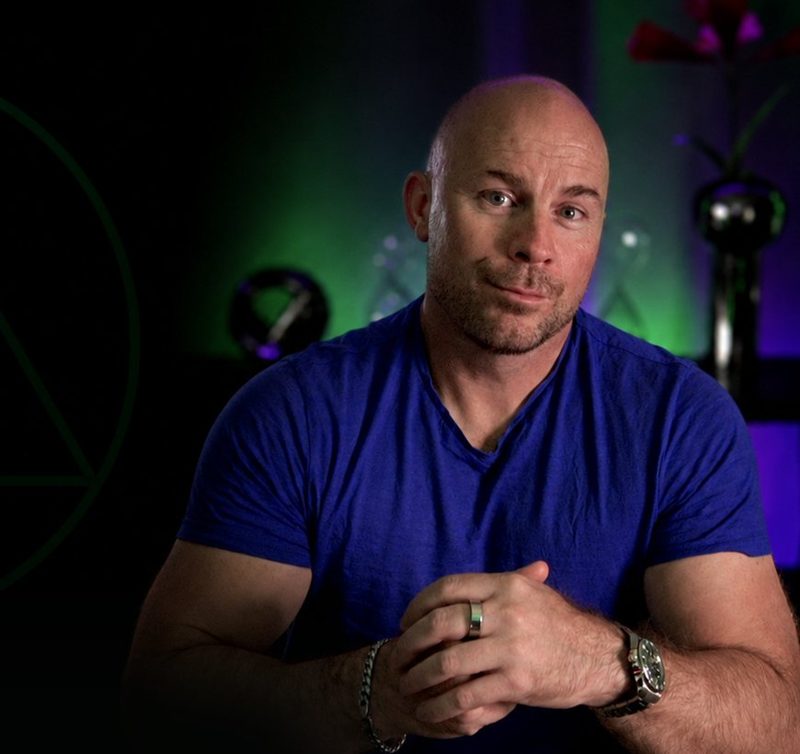
If you’ve tried to talk yourself out of this fear and it hasn’t worked, that isn’t a lack of willpower. A phobia is an alarm your mind learned, and logic alone rarely switches it off.
When I work with a fear of losing control, I first look at when it started and what you fear would happen, as that is often where the change begins. Using hypnotherapy and NLP over Zoom, I help your mind learn that it is safe to feel strong feelings and that they pass. We rehearse the situations you avoid, calmly and in detail, so your body learns to stay steady. Many people find it reassuring to discover that in hypnosis they stay aware and in charge the whole time. You get a recording of the hypnosis to listen to between sessions.
I’ve spent 17 years in clinical practice and helped more than 1,000 people with phobias. I hold a Postgraduate Certificate and a Postgraduate Diploma in Clinical Hypnotherapy, both with Distinction.
If you’re feeling low or on edge most of the time, talking to your GP or someone you trust can help too.
Common questions
Will I lose control in hypnosis?
No. In hypnosis you stay aware of what is happening, you can hear me, and you can open your eyes and stop at any time. For many people it is a calming first experience of letting go safely.
Can a panic attack make me lose control?
A panic attack can feel frightening, but it is the body’s alarm going off, not a sign that you will lose control. Knowing this, and learning to ride the wave, often makes attacks less frightening.
Is this linked to OCD?
A fear of losing control can be part of several things, including panic and OCD. If you have unwanted thoughts that you will act out of character, your GP can help you find the right support.
How do sessions work?
I use hypnotherapy and NLP to change how your mind responds to this fear. Sessions are one to one over Zoom, and you get a recording of the hypnosis to listen to afterwards.
How many sessions will I need?
Many clients notice a real difference after one 90 minute session. If the fear goes back a long way, three sessions gives us room to make the change stick.
Further reading: NHS: Panic disorder · University of Oxford: Fear of losing control in OCD and panic disorder · NHS: Phobias
Ready to start?
A short call is the simplest next step. We’ll talk about your fear, what you’d like to feel instead, and whether I’m the right person to help.
- Take the free test at the top of this page to see how strong your fear is.
- Book a 30 minute call. Use code PHOBIA at checkout for half price: £24.50 instead of £49 ($29.50 outside the UK).
- Start your sessions over Zoom from wherever you live, or face to face in Hertfordshire.
See all session options and prices