
Fear of buses and public transport
A fear of buses and public transport can turn a simple trip to work, the shops or a friend’s house into something you plan around for days, with your stomach tightening the moment the doors close.
Many people find that with the right help, they can hop on a bus, train or subway feeling settled, and stop paying for taxis or turning down plans.
Use code PHOBIA at checkout for half price: £24.50 instead of £49. Outside the UK? $29.50.
Understanding this fear
Plenty of people dislike a crowded bus or a packed carriage. With a fear of public transport, the feeling is far stronger than the real risk and it starts well before you set off. Some people fear having a panic attack with no way off, some fear feeling sick or needing the toilet, and some fear the crowd, being stared at or simply not being in control of when the vehicle stops.
There is no single medical name for it. It is closely linked to agoraphobia, a fear of crowds, a fear of trains and railways and a fear of small spaces (claustrophobia). For many people it is one part of a wider fear of feeling trapped somewhere they cannot easily leave.
Common triggers
- The doors closing behind you
- Rush hour crowds pressing close
- Long gaps between stops
- Delays, diversions or being held between stations
- Strangers sitting or standing close
- Heat and stuffy air on board
- Worrying about feeling sick or needing the toilet
- Not knowing exactly where to get off
Where it shows up
- Buses and coaches
- The Tube, the subway or the metro
- Trams and light rail
- Commuter and long distance trains
- Airport transfers and shuttle buses
- School and work commutes
- Park and ride services
Symptoms
In your body
- Racing or pounding heart
- Tight chest or short breaths
- Sweating or feeling hot
- Churning stomach or feeling sick
- Shaky legs or a strong urge to get off
In your mind
- What if I panic and cannot get off?
- Picturing being stuck or delayed
- Feeling that everyone is watching you
- Counting the stops until you can leave
- Worrying you will lose control or embarrass yourself
What you might do
- Walking, driving or paying for taxis instead
- Only travelling at quiet times
- Standing by the doors or getting off early
- Taking someone with you every time
- Turning down jobs or plans that need public transport
What causes it
A panic attack on a bus or train, a frightening delay or a bad experience in a crowd can be enough to start it. Some people pick it up after a period of stress, illness or feeling sick while travelling. It often grows out of agoraphobia, claustrophobia or worries about feeling unwell in public. Once the fear is there, avoiding public transport brings quick relief, which teaches your mind that buses and trains really were dangerous, so the fear grows.
How it can affect your life
A fear of public transport can quietly shrink your world. People turn down jobs with a commute, spend a fortune on taxis, miss nights out and family visits, and rely on others for lifts. If you do not drive, it can leave you feeling stuck at home and cut off from the people and places you love.
Things that can help day to day
- Breathe out slowly, a little longer than you breathe in, as the doors close
- Start with short trips of one or two stops at a quiet time, then build up at your own pace
- Plan the route and the stop before you travel, then let the plan do the worrying instead of you
- Notice small things around you, such as the colours outside the window, to bring your mind back to the present
- Remind yourself that the doors open again at the next stop, and they always do
When to get help
It is worth getting help if you are planning your life around buses and trains, missing work or social plans, or if the fear is spreading to shops, crowds or leaving the house. If you have panic attacks in other situations too, or the anxiety is affecting your daily life, your GP is a good first port of call.
How I can help
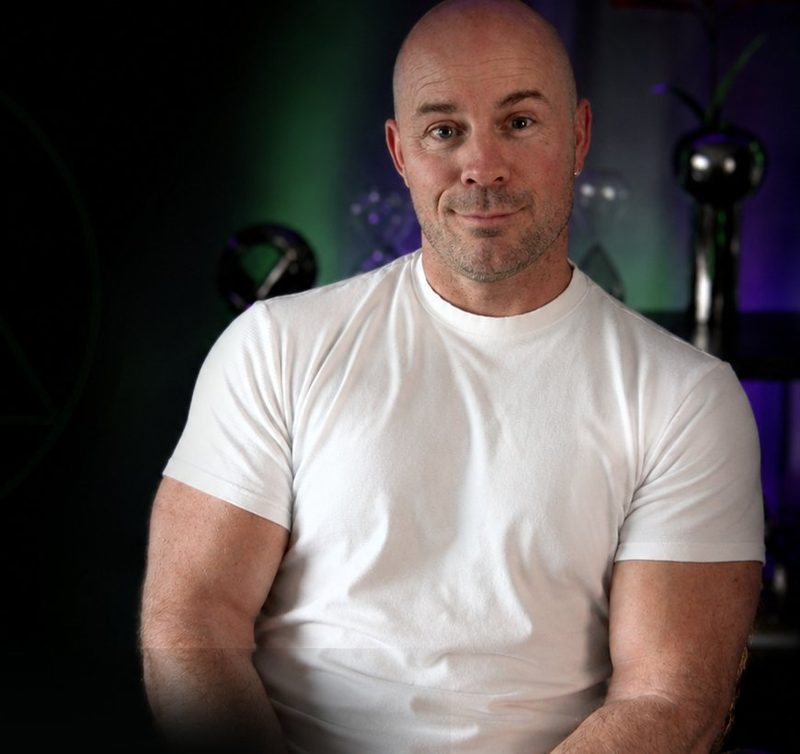
If you’ve tried to talk yourself out of this fear and it hasn’t worked, that isn’t a lack of willpower. A phobia is an alarm your mind learned, and logic alone rarely switches it off.
When I work with a fear of public transport, I first find out what the fear is really about for you, whether that is panicking, feeling sick, the crowd or being stuck between stops. Using hypnotherapy and NLP over Zoom, I help your mind let go of the old alarm, so a bus or train becomes just a way of getting somewhere. We rehearse your usual trips in your mind, calmly and in detail, until they feel ordinary. You get a recording of the hypnosis to listen to before you travel.
I’ve spent 17 years in clinical practice and helped more than 1,000 people with phobias. I hold a Postgraduate Certificate and a Postgraduate Diploma in Clinical Hypnotherapy, both with Distinction.
If you’re feeling low or on edge most of the time, talking to your GP or someone you trust can help too.
Common questions
Is a fear of public transport the same as agoraphobia?
They often go together, but not always. Agoraphobia is a fear of being in places where escape or help feels hard to reach. Some people only feel it on buses and trains, often because they cannot get off when they want to.
Why is it worse when the bus or train stops between stops?
Moving towards the next stop tells your mind there is a way off soon. When everything stops, that sense of escape disappears, and an anxious mind fills the gap with pictures of being trapped.
Should I keep travelling while I work on this?
Small, manageable trips usually help more than avoiding it altogether. Go at your own pace, start with short trips at quiet times, and get help so the fear stops making the choice for you.
How do sessions work?
I use hypnotherapy and NLP to change how your mind responds to this fear. Sessions are one to one over Zoom, and you get a recording of the hypnosis to listen to afterwards.
How many sessions will I need?
Many clients notice a real difference after one 90 minute session. If the fear goes back a long way, three sessions gives us room to make the change stick.
Further reading: NHS: Phobias
Ready to start?
A short call is the simplest next step. We’ll talk about your fear, what you’d like to feel instead, and whether I’m the right person to help.
- Take the free test at the top of this page to see how strong your fear is.
- Book a 30 minute call. Use code PHOBIA at checkout for half price: £24.50 instead of £49 ($29.50 outside the UK).
- Start your sessions over Zoom from wherever you live, or face to face in Hertfordshire.
See all session options and prices