
Fear of dinosaurs
A fear of dinosaurs is very common in children, often after a film, a museum trip or a toy that roars. It can bring on tears, bad dreams or a refusal to go anywhere near the dinosaur hall. Some adults carry the fear too, and still feel uneasy at a roar or a giant skeleton.
With gentle, patient help, many children and adults find they can enjoy museums, films and toys again, and even become fascinated by dinosaurs.
Use code PHOBIA at checkout for half price: £24.50 instead of £49. Outside the UK? $29.50.
Understanding this fear
Dinosaurs died out millions of years ago and cannot hurt anyone, but films, models and roaring toys can make them feel very real, especially to young children who are still learning what is real and what is pretend. With a fear of dinosaurs, the reaction is far bigger than the situation. It is often the size, the teeth or a scene from a film that sticks.
It is closely linked to fear of very large objects, fear of reptiles, fear of horror films, fear of the dark and fear of the bogeyman.
Common triggers
- Loud roaring sounds
- Huge skeletons in museums
- Sharp teeth and claws
- Life size moving models
- Scenes from dinosaur films
- Toys that roar or move
- Thoughts that come up at bedtime
- Dark museum halls
Where it shows up
- Museums
- Dinosaur parks and attractions
- Cinemas and films at home
- Toy shops
- Schools and nurseries
- Birthday parties with dinosaur themes
- Children’s books and television
Symptoms
In your body
- Crying or clinging
- Racing heart
- Freezing
- Trouble sleeping
- Urge to run or hide
In your mind
- It’s going to get me
- What if they come back
- It’s hiding in my room
- I can’t stop seeing it
- Pictures of teeth and roaring
What you might do
- Refusing museum trips
- Leaving films or covering eyes
- Avoiding toys and books
- Needing a light on at night
- Checking the room before bed
What causes it
A fear of dinosaurs most often starts with a film, a roaring model or a story that felt too real. Young children can find it hard to tell pretend from real, so a single scary moment can stay with them. In adults, the fear can be left over from childhood or linked to a fear of very large things.
How it can affect your life
A fear of dinosaurs can make museum trips, parties and film nights hard, and can lead to bad dreams and trouble at bedtime. For parents, it can be tricky when dinosaurs seem to be everywhere in toys, books and clothes. In adults, it can feel embarrassing, so it often stays hidden.
Things that can help day to day
- Start with friendly cartoon dinosaurs in books, then build up
- Talk calmly about how long ago dinosaurs lived and how we know about them
- Play with soft dinosaur toys that do not roar
- Breathe out slowly together and let your shoulders drop when the fear rises
- Notice and praise yourself for each small step you take
When to get help
Many children grow out of this fear with time and gentle support. It is worth getting help if it carries on for months, causes regular bad dreams or stops a child or adult doing everyday things. If you are worried about your child’s sleep or anxiety, talk to your GP or health visitor.
How I can help
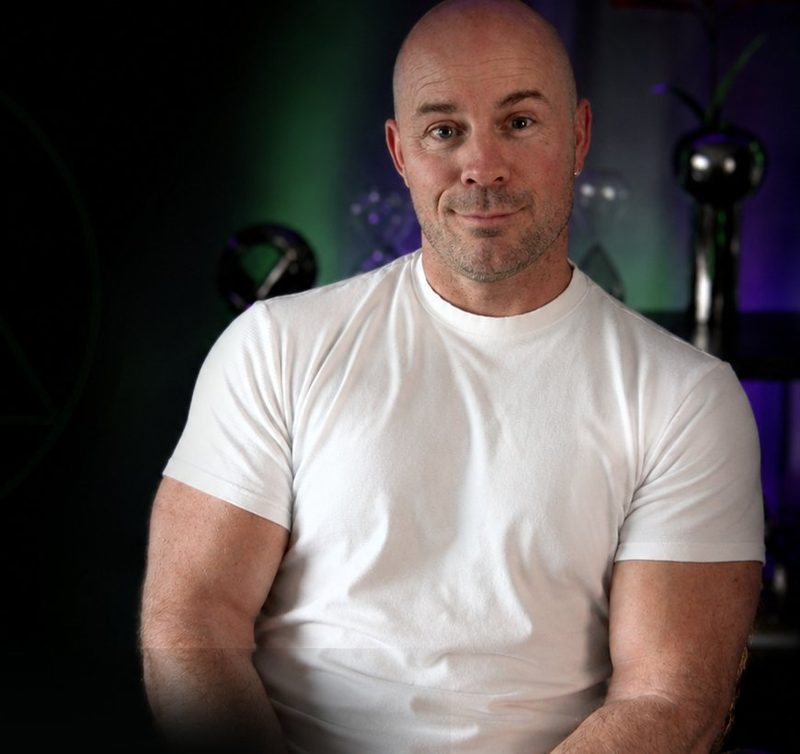
If you’ve tried to talk yourself out of this fear and it hasn’t worked, that isn’t a lack of willpower. A phobia is an alarm your mind learned, and logic alone rarely switches it off.
When I work with a fear of dinosaurs, I first find out where the fear began and what part is strongest, whether that is the roar, the teeth or a scene from a film. Using hypnotherapy and NLP over Zoom, I help the mind let go of the old alarm so dinosaurs become something from long ago, safe to read about and enjoy. For children, I keep it gentle and playful, and parents stay involved. We rehearse a calm museum visit in the mind, in detail, until it feels ordinary. You get a recording of the hypnosis to listen to whenever you need it.
I’ve spent 17 years in clinical practice and helped more than 1,000 people with phobias. I hold a Postgraduate Certificate and a Postgraduate Diploma in Clinical Hypnotherapy, both with Distinction.
If you’re feeling low or on edge most of the time, talking to your GP or someone you trust can help too.
Common questions
Is it normal for children to be scared of dinosaurs?
Yes, very. Many children go through it, often after a film or a museum trip. Gentle reassurance and small steps usually help a lot.
How can I help my child at bedtime?
Keep the bedtime routine calm, avoid dinosaur films before bed and talk about how long ago they lived. A soft night light can help too.
Can adults have a fear of dinosaurs?
Yes. It can be left over from childhood or linked to a fear of very large things. It responds to the same kind of help.
How do sessions work?
I use hypnotherapy and NLP to change how your mind responds to this fear. Sessions are one to one over Zoom, and you get a recording of the hypnosis to listen to afterwards.
How many sessions will I need?
Many clients notice a real difference after one 90 minute session. If the fear goes back a long way, three sessions gives us room to make the change stick.
Further reading: NHS: Phobias, NHS: Generalised anxiety disorder
Ready to start?
A short call is the simplest next step. We’ll talk about your fear, what you’d like to feel instead, and whether I’m the right person to help.
- Take the free test at the top of this page to see how strong your fear is.
- Book a 30 minute call. Use code PHOBIA at checkout for half price: £24.50 instead of £49 ($29.50 outside the UK).
- Start your sessions over Zoom from wherever you live, or face to face in Hertfordshire.
See all session options and prices