
Fear of cable cars and chairlifts
A fear of cable cars and chairlifts can take the shine off a ski trip or a mountain holiday. While everyone else is admiring the view, you are gripping the bar, listening to every creak and counting the seconds until you can step off.
Many people find that with the right help, they can ride a lift calmly, enjoy the view on the way up and say yes to the trips and days out they have been turning down.
Use code PHOBIA at checkout for half price: £24.50 instead of £49. Outside the UK? $29.50.
Understanding this fear
Plenty of people feel a flutter when a lift sways or stops. With a fear of cable cars and chairlifts, the reaction is much stronger. In the UK people often say cable car or chairlift; in the US you will hear ski lift, gondola or tram. The fear can be about height, about being stuck, about getting on and off, or a mix of all three.
It is closely linked to a fear of heights, a fear of lifts, a fear of small spaces and a fear of falling.
Common triggers
- Seeing the cable from below
- Queueing at the lift station
- The lift jolting as it starts
- Stopping with no explanation
- Wind and swaying
- Looking at the ground below
- Ski boots and kit making you feel clumsy
- Other people rocking the chair
Where it shows up
- Ski resorts
- Mountain viewpoints
- City cable cars
- Theme parks
- Holidays or vacations abroad
- Tourist attractions
- School or work trips
Symptoms
In your body
- Gripping the bar tightly
- Racing heart
- Sweaty palms
- Dizziness
- Wobbly legs
In your mind
- The cable is going to snap
- I’ll fall off getting off
- I’ll be stuck up here
- Pictures of falling
- Counting every second
What you might do
- Walking down or skipping the trip
- Closing your eyes the whole way
- Taking only enclosed cabins
- Holding your breath
- Leaving the group to avoid the lift
What causes it
A bad moment on a lift, a fall on or off a chairlift, a lift stopping in high wind, or a wider fear of heights can all start it. Not being in control of the ride adds to it. Each time you avoid a lift or white knuckle your way through, your mind learns that lifts are dangerous and the fear grows.
How it can affect your life
A fear of cable cars and chairlifts can rule out ski holidays, mountain walks and city sights, or leave you watching from the bottom while others go up. It can cause tension with partners or friends and make you feel left out.
Things that can help day to day
- Start with an enclosed gondola or a short ride if you can
- Ask the lift staff to slow the chair for getting on and off; many will
- Keep your eyes on the horizon rather than straight down
- Breathe out slowly, a little longer than you breathe in, as the lift moves
- Remind yourself that a stop or a gentle sway is normal and part of how lifts run
When to get help
It is worth getting help if the fear stops you going on trips you want to take, or if you dread a holiday for weeks beforehand. Always follow the lift staff’s instructions and the safety bar rules, and if you are new to skiing or snowboarding, a lesson on using lifts can help. If you feel anxious or low most of the time, your GP is a good first port of call.
How I can help
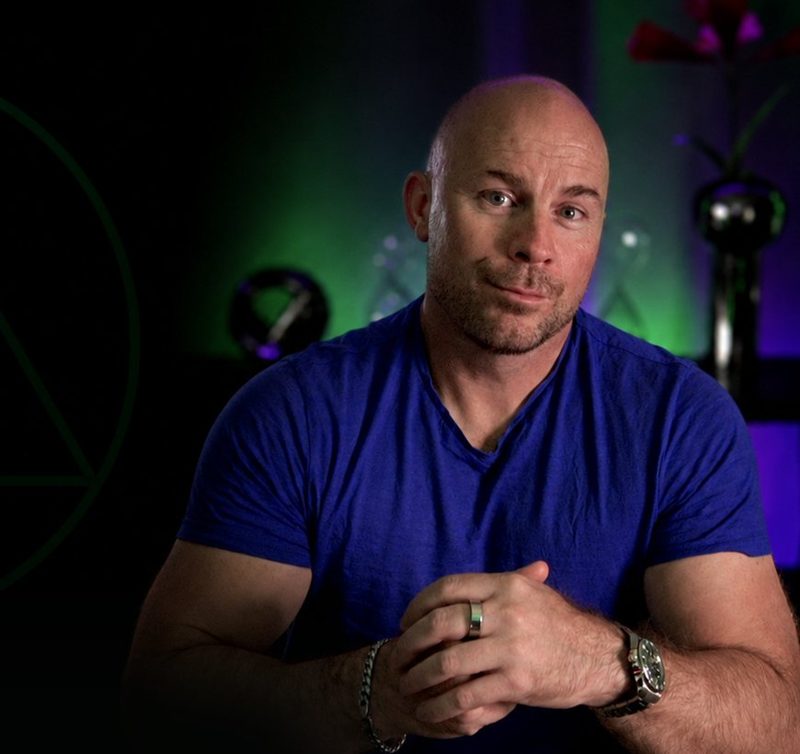
If you’ve tried to talk yourself out of this fear and it hasn’t worked, that isn’t a lack of willpower. A phobia is an alarm your mind learned, and logic alone rarely switches it off.
When I work with a fear of cable cars and chairlifts, I first find out what the fear is really about for you, whether that is height, being stuck or getting on and off. Using hypnotherapy and NLP over Zoom, I help your mind let go of the old alarm, so a lift becomes just the way up the mountain again. We rehearse a calm ride in your mind, in detail, from the queue to stepping off at the top. You get a recording of the hypnosis to listen to before and during your trip.
I’ve spent 17 years in clinical practice and helped more than 1,000 people with phobias. I hold a Postgraduate Certificate and a Postgraduate Diploma in Clinical Hypnotherapy, both with Distinction.
If you’re feeling low or on edge most of the time, talking to your GP or someone you trust can help too.
Common questions
Is a fear of cable cars and chairlifts a real phobia?
Yes. There is no separate medical name for it, but it is often linked with a fear of heights or of being trapped. When the fear is far stronger than the real risk and shapes your life, it works in the same way as any phobia.
Is it the height or something else?
For some people it is the height, for others it is being stuck, swinging, or the moment of getting on and off. Finding out which part matters most helps us work on the right thing.
Can I work on it before a ski trip?
Yes. Sessions are over Zoom, so we can start whenever suits you. Many people like to begin a few weeks before they travel and take the recording with them.
How do sessions work?
I use hypnotherapy and NLP to change how your mind responds to this fear. Sessions are one to one over Zoom, and you get a recording of the hypnosis to listen to afterwards.
How many sessions will I need?
Many clients notice a real difference after one 90 minute session. If the fear goes back a long way, three sessions gives us room to make the change stick.
Further reading: NHS: Phobias, NHS: Claustrophobia
Ready to start?
A short call is the simplest next step. We’ll talk about your fear, what you’d like to feel instead, and whether I’m the right person to help.
- Take the free test at the top of this page to see how strong your fear is.
- Book a 30 minute call. Use code PHOBIA at checkout for half price: £24.50 instead of £49 ($29.50 outside the UK).
- Start your sessions over Zoom from wherever you live, or face to face in Hertfordshire.
See all session options and prices