
Fear of octopuses
The tentacles, the rows of suckers, the way it squeezes through tiny gaps and changes colour. A fear of octopuses can make aquariums, seafood counters and swimming in the sea feel unsettling.
Many people find that with the right help, they can visit an aquarium, swim in the sea and watch ocean programmes without that rush of disgust and panic.
Use code PHOBIA at checkout for half price: £24.50 instead of £49. Outside the UK? $29.50.
Understanding this fear
Octopuses are clever, shy animals that usually hide from people. With a fear of octopuses, the reaction is far bigger than the real risk. It is often linked to the tentacles and suckers, the slimy look and the strange way they move. For many people it is a mix of fear and disgust.
It is closely linked to fear of the sea, fear of submerged objects, fear of jellyfish, fear of slime and fear of clusters of holes.
Common triggers
- Long, curling tentacles
- Rows of suckers
- Slimy, soft skin
- Changing colour and shape
- Squeezing through tiny gaps
- Their eyes and beak
- Octopus on a menu or seafood counter
- Something touching you underwater
Where it shows up
- Aquariums and sea life centres
- Beaches and rock pools
- Snorkelling and diving
- Restaurants and fish markets
- Nature programmes
- Films, games and toys
Symptoms
In your body
- Skin crawling
- Feeling sick
- Racing heart
- Shivering
- Urge to look away
In your mind
- It’s going to grab me
- I can’t stand the suckers
- It could be hiding anywhere
- It’s touching me
- I need to get out of the water
What you might do
- Avoiding aquariums
- Swimming only in pools
- Turning off ocean films
- Avoiding seafood counters
- Wearing shoes in the sea
What causes it
A fear of octopuses often starts with a film, a game or a story showing a giant creature with tentacles. It can also grow from a fear of the sea or of things you cannot see under the water. Disgust plays a big part, because the body reacts strongly to slimy textures and suckers.
How it can affect your life
A fear of octopuses can stop you enjoying the sea, aquariums and holidays by the coast. Some people find it spreads into a wider fear of swimming or of anything in deep water.
Things that can help day to day
- Start by looking at a cartoon octopus for a few seconds, then build up
- Watch a calm clip of an octopus hiding or playing
- Learn a little about how octopuses live and how shy they are
- Breathe out slowly and let your shoulders drop when you feel the fear rise
- Notice and praise yourself for each small step you take
When to get help
It is worth getting help if the fear stops you swimming, travelling or enjoying the coast. Never handle an octopus in the wild, as a few kinds in warm seas are venomous. If the fear comes with panic attacks, talk to your GP as well.
How I can help
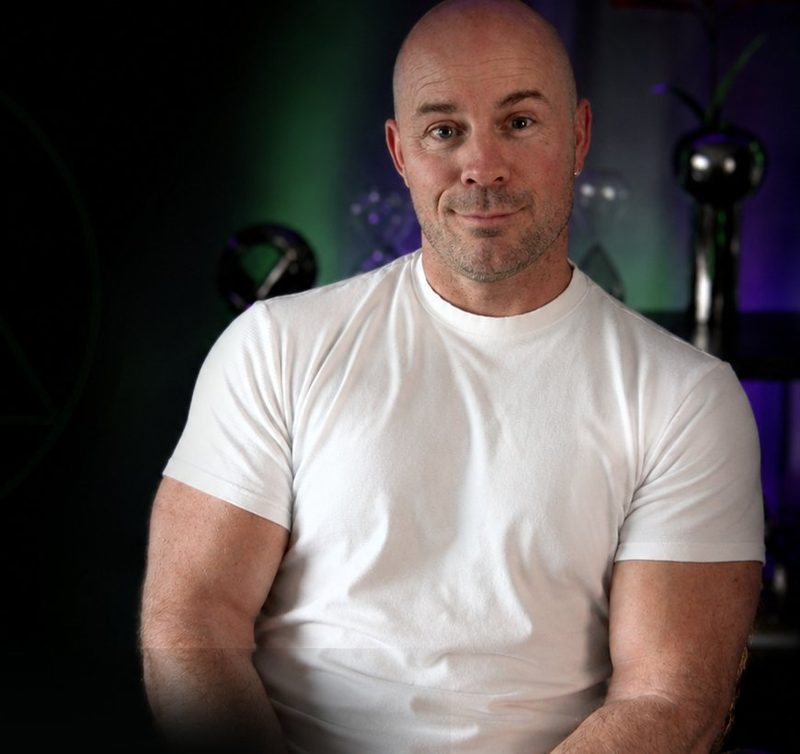
If you’ve tried to talk yourself out of this fear and it hasn’t worked, that isn’t a lack of willpower. A phobia is an alarm your mind learned, and logic alone rarely switches it off.
When I work with a fear of octopuses, I first find out where the fear began and what part is strongest for you, whether that is the tentacles, the texture or the thought of something touching you in the water. Using hypnotherapy and NLP over Zoom, I help your mind let go of the old alarm so an octopus becomes a creature you can watch with curiosity. We rehearse a calm swim in the sea in your mind, in detail, until it feels ordinary. You get a recording of the hypnosis to listen to whenever you need it.
I’ve spent 17 years in clinical practice and helped more than 1,000 people with phobias. I hold a Postgraduate Certificate and a Postgraduate Diploma in Clinical Hypnotherapy, both with Distinction.
If you’re feeling low or on edge most of the time, talking to your GP or someone you trust can help too.
Common questions
Is a fear of octopuses a real phobia?
Yes. When the fear is far stronger than the real risk and shapes your life, it works in the same way as any phobia. It is a type of animal phobia, one of the most common kinds.
Why do tentacles disgust me so much?
Disgust is the body’s way of keeping us away from things that might be harmful. With this fear, that reaction fires too strongly at shapes and textures that are not a real threat.
Will an octopus grab me in the sea?
It is very unlikely. Octopuses are shy and hide from people. Most swimmers never see one.
How do sessions work?
I use hypnotherapy and NLP to change how your mind responds to this fear. Sessions are one to one over Zoom, and you get a recording of the hypnosis to listen to afterwards.
How many sessions will I need?
Many clients notice a real difference after one 90 minute session. If the fear goes back a long way, three sessions gives us room to make the change stick.
Further reading: NHS: Phobias, NHS: Generalised anxiety disorder
Ready to start?
A short call is the simplest next step. We’ll talk about your fear, what you’d like to feel instead, and whether I’m the right person to help.
- Take the free test at the top of this page to see how strong your fear is.
- Book a 30 minute call. Use code PHOBIA at checkout for half price: £24.50 instead of £49 ($29.50 outside the UK).
- Start your sessions over Zoom from wherever you live, or face to face in Hertfordshire.
See all session options and prices