
Fear of tunnels
A fear of tunnels can turn a normal drive, train ride or walk through an underpass into something you dread for days, with your heart pounding as the light disappears behind you.
Many people find that with the right help, they can drive or ride through a tunnel feeling steady, and stop planning long detours around them.
Use code PHOBIA at checkout for half price: £24.50 instead of £49. Outside the UK? $29.50.
Understanding this fear
Lots of people feel a little uneasy in a long tunnel. With a fear of tunnels, the feeling is far stronger than the real risk and it starts well before you reach one. Some people fear being trapped if traffic stops, some fear a crash or a fire, and some feel the walls and roof pressing in. Others feel uneasy about the light and air, or simply about not being able to see the way out.
There is no widely used medical name for it. It is closely related to a fear of small spaces (claustrophobia), a fear of driving, a fear of trains and railways and a fear of the dark. For many people it is one part of a wider fear of feeling trapped somewhere they cannot easily leave.
Common triggers
- Seeing a tunnel ahead on the road
- Traffic slowing or stopping inside
- Long tunnels where the exit is out of sight
- Dim lighting or flickering lights
- Lorries (trucks) close by in a narrow space
- Hearing news about a tunnel accident or fire
- Trains going underground
- Having no hard shoulder or place to stop
Where it shows up
- Road tunnels on motorways and highways
- Underground trains, the Tube or the subway
- The Channel Tunnel and other under-sea crossings
- Underpasses and subways for pedestrians
- Multi-storey and underground car parks (parking garages)
- Railway tunnels on long trips
- Covered walkways and long corridors
Symptoms
In your body
- Racing or pounding heart
- Tight chest or short breaths
- Sweaty hands on the wheel
- Dizziness or feeling light-headed
- A strong urge to get out
In your mind
- What if the traffic stops and I am stuck?
- Picturing a crash, fire or collapse
- Feeling the walls closing in
- Counting the seconds until the exit
- Worrying you will panic and lose control
What you might do
- Long detours to avoid tunnels
- Letting someone else drive
- Closing your eyes or holding your breath
- Speeding up to get out faster
- Turning down trips that include a tunnel
What causes it
A frightening moment in a tunnel, such as a breakdown, a long hold-up or a panic attack, can be enough to start it. Some people pick it up from a parent who was nervous in tunnels, or from news stories and films about tunnel disasters. It often grows out of claustrophobia or a general fear of being trapped. Once the fear is there, avoiding tunnels brings quick relief, which teaches your mind that tunnels really were dangerous, so the fear grows.
How it can affect your life
A fear of tunnels can quietly shrink the map. People add hours to trips, avoid certain cities, turn down jobs that involve a commute through a tunnel, or skip holidays that mean taking the Channel Tunnel or an underground train. It can also put pressure on partners and friends, who end up doing all the driving.
Things that can help day to day
- Breathe out slowly, a little longer than you breathe in, as you approach and go through
- Keep your eyes on the road ahead and the car in front, not the walls
- Remind yourself that tunnels are lit, ventilated and watched, and that traffic moves again
- Start with short underpasses and tunnels you know, then build up at your own pace
- Plan the route, then let the plan do the worrying instead of you
When to get help
It is worth getting help if you are planning your life around tunnels, missing work or trips, or if the fear is spreading to lifts, trains or other enclosed places. If you have panic attacks in other situations too, or the anxiety is affecting your daily life, your GP is a good first port of call. Never drive if you feel too panicky to do it safely.
How I can help
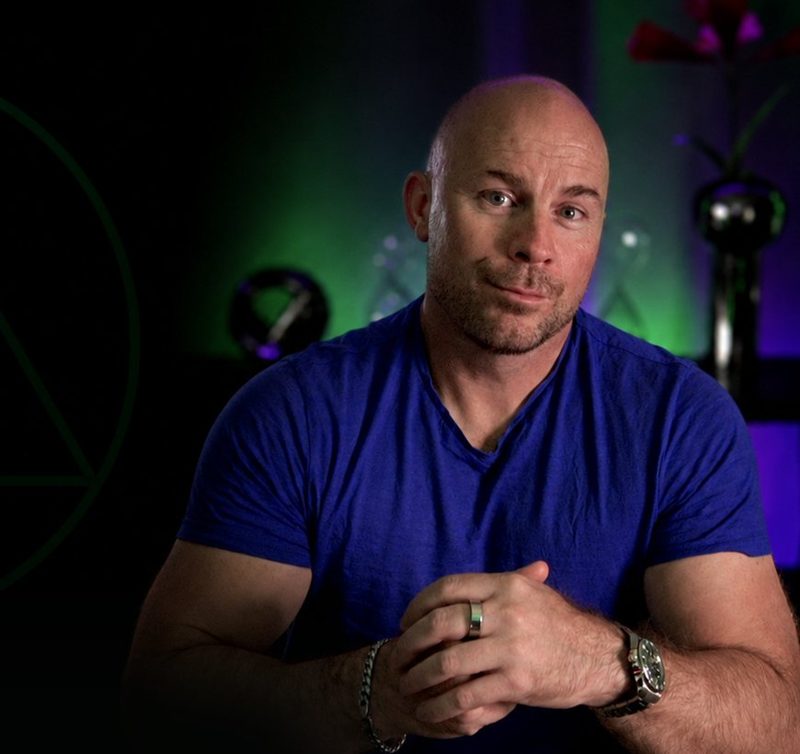
If you’ve tried to talk yourself out of this fear and it hasn’t worked, that isn’t a lack of willpower. A phobia is an alarm your mind learned, and logic alone rarely switches it off.
When I work with a fear of tunnels, I first find out what the fear is really about for you, whether that is being trapped, a crash, the dark or the feeling of losing control. Using hypnotherapy and NLP over Zoom, I help your mind let go of the old alarm, so a tunnel becomes just a stretch of road. We rehearse driving or riding through tunnels in your mind, calmly and in detail, until it feels ordinary. You get a recording of the hypnosis to listen to before you travel.
I’ve spent 17 years in clinical practice and helped more than 1,000 people with phobias. I hold a Postgraduate Certificate and a Postgraduate Diploma in Clinical Hypnotherapy, both with Distinction.
If you’re feeling low or on edge most of the time, talking to your GP or someone you trust can help too.
Common questions
Is a fear of tunnels the same as claustrophobia?
They often go together, but not always. Claustrophobia is a fear of small or enclosed spaces in general. Some people only feel it in tunnels, often because of the fear of being stuck with no way out.
Why is it worse when the traffic stops?
Moving traffic tells your mind there is a way out. When it stops, that sense of escape disappears, and an anxious mind fills the gap with pictures of being trapped.
Can I still drive if I am scared of tunnels?
Many people with this fear are safe, careful drivers. If you ever feel too panicky to drive safely, let someone else drive or plan another route, and get help so the fear stops making that choice for you.
How do sessions work?
I use hypnotherapy and NLP to change how your mind responds to this fear. Sessions are one to one over Zoom, and you get a recording of the hypnosis to listen to afterwards.
How many sessions will I need?
Many clients notice a real difference after one 90 minute session. If the fear goes back a long way, three sessions gives us room to make the change stick.
Further reading: NHS 111 Wales: Claustrophobia · NHS: Phobias
Ready to start?
A short call is the simplest next step. We’ll talk about your fear, what you’d like to feel instead, and whether I’m the right person to help.
- Take the free test at the top of this page to see how strong your fear is.
- Book a 30 minute call. Use code PHOBIA at checkout for half price: £24.50 instead of £49 ($29.50 outside the UK).
- Start your sessions over Zoom from wherever you live, or face to face in Hertfordshire.
See all session options and prices