
Fear of escalators (escalaphobia)
Escalaphobia is a fear of escalators. People often describe dread about timing the step on or off, losing their balance, falling down a long steep run, or a shoe, lace or bag strap getting caught in the moving steps. Busy stations and shopping centres, where there is no easy way round, can feel like a trap.
Many people find that with the right help, stepping on and off an escalator becomes something they barely think about, even in a busy station.
Use code PHOBIA at checkout for half price: £24.50 instead of £49. Outside the UK? $29.50.
About this phobia
The name simply comes from the word escalator. It is not a formal diagnosis, but it is a fear that comes up often around stations, airports and shopping centres. It is closely related to bathmophobia, a fear of stairs and steep slopes, and often overlaps with a fear of heights and a fear of falling. It is different from a fear of lifts (or elevators, as they are called in America), which is usually about being shut in a small space. A fear of escalators is more about the moving steps, keeping your balance and the drop below you.
How it shows up
For most people an escalator is something they step onto without a thought. For someone with escalaphobia, the moment of stepping on can bring a wave of panic: judging when to step, feeling the ground move under their feet and fearing they will stumble. Long, steep escalators in deep stations, or ones with glass sides that show the drop, are often the hardest. Going down usually feels worse than going up, because you are looking straight down the slope. Many people take the stairs or the lift instead, even if it means a long walk round, or freeze at the top while a queue builds behind them.
Common triggers
- Stepping on or off the moving steps
- Long, steep escalators in deep stations
- Looking down the length of a down escalator
- Glass sides or an open drop at the edge
- People crowding close behind you
- Travelators, also called moving walkways or moving sidewalks
Where it shows up
- Underground, subway and train stations
- Airports
- Shopping centres and malls
- Department stores
- Cinemas, stadiums and conference centres
Symptoms
In your body
- Racing heart
- Feeling dizzy or unsteady
- Sweaty palms
- Legs feeling weak or wobbly
- Freezing at the top or bottom
In your mind
- Fear of tripping or falling
- Fear of a lace, coat or bag getting caught
- Feeling trapped once you are on
- Embarrassment about the queue behind you
What you might do
- Taking the stairs or the lift every time
- Avoiding certain stations, shops or airports
- Gripping the handrail and staring at your feet
- Waiting until nobody else is getting on
What may cause it
There is little formal research on this fear. As with most phobias, there is often a starting point: a stumble or fall on an escalator, seeing someone else fall, or a frightening moment as a child, such as a shoe catching at the bottom. A fear of heights, a fear of falling, or problems with balance or dizziness can all make the moving steps feel riskier. Children can also pick up the fear from a parent who avoids escalators. Once the fear is there, avoiding escalators keeps it going, because the mind never gets the chance to learn that the ride is safe.
How it can affect your life
Avoiding escalators can make everyday journeys longer and more stressful, especially in cities where many stations and shops rely on them. Some people stop using public transport, dread airports or only shop where they know there is a lift. It can also be awkward to explain to friends or colleagues why you are always taking the long way round.
Related fears
- Fear of stairs and steep slopes (bathmophobia)
- Fear of heights (acrophobia)
- Fear of falling (basophobia)
- Fear of lifts or elevators
- Fear of crowds (enochlophobia)
Things that can help day to day
- Start with a short, quiet escalator at a calm time of day
- Hold the handrail and step on with one clear stride, looking ahead rather than down
- Travel with someone you trust at first and ride side by side
- Keep laces tied and long coats and bags away from the edges of the steps
- Breathe out slowly for longer than you breathe in while you ride
When to get help
If the fear is making journeys hard, stopping you using public transport or keeping you away from places you need to go, it is worth getting help. If dizziness or balance problems are part of it, a GP can check for anything physical too.
Explore more unusual fears in the rare phobias A to Z, or browse the common phobias.
About me
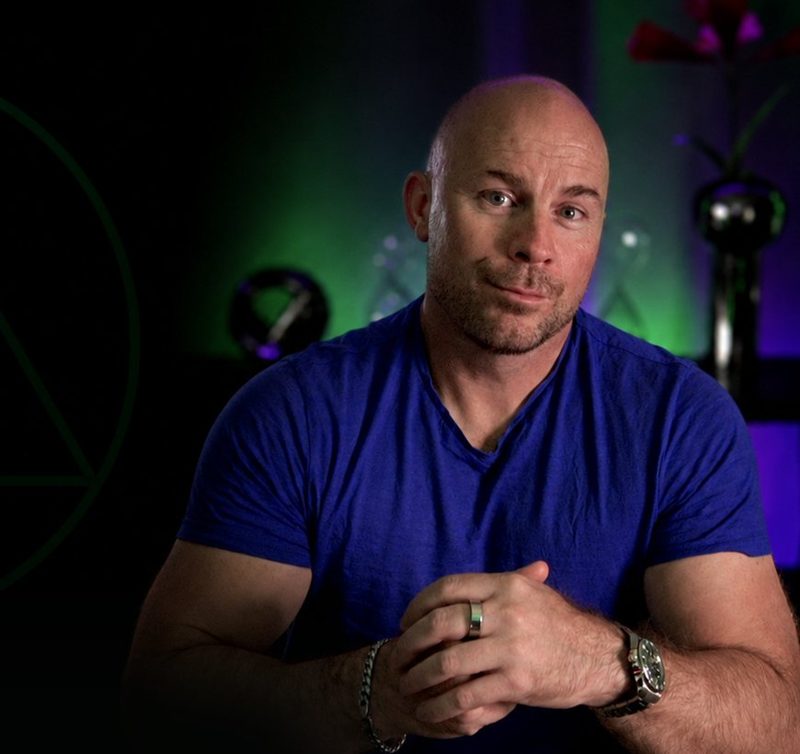
If you’ve tried to talk yourself out of this fear and it hasn’t worked, that isn’t a lack of willpower. A phobia is an alarm your mind learned, and logic alone rarely switches it off.
When a fear is less common, it can be harder to explain, so you may not have told many people about it. I work one to one over Zoom with people whose fears are holding them back, including rarer ones like this, and every plan starts with understanding what your fear is really about.
I’ve spent 17 years in clinical practice and helped more than 1,000 people with phobias. I hold a Postgraduate Certificate and a Postgraduate Diploma in Clinical Hypnotherapy, both with Distinction, and journalists and clients call me the Phobia Guru.
Common questions
Is it the same as a fear of lifts?
No. A fear of lifts (elevators, in America) is usually about being shut in a small space with no way out. A fear of escalators is more about the moving steps, keeping your balance and the drop below you. Some people have both.
How can you help?
I use hypnotherapy and NLP to change how your mind responds to the thing you fear, so the old alarm stops going off. Sessions are one to one over Zoom, and you get a recording of the hypnosis to listen to afterwards.
How many sessions will I need?
Many clients notice a real difference after one 90 minute session. If the fear goes back a long way, three sessions gives us room to make the change stick.
Further reading: NHS: Phobias
Ready to start?
A short call is the simplest next step. We’ll talk about your fear, what you’d like to feel instead, and whether I’m the right person to help.
- Take the free test at the top of this page to see how strong your fear is.
- Book a 30 minute call. Use code PHOBIA at checkout for half price: £24.50 instead of £49 ($29.50 outside the UK).
- Start your sessions over Zoom from wherever you live, or face to face in Hertfordshire.
See all session options and prices