
Fear of embarrassment
A fear of embarrassment can make ordinary moments feel risky. You rehearse what to say, replay small slips for days, and turn down things you would enjoy in case you look silly.
Many people find that with the right help, they can speak up, try new things and laugh off small slips, instead of shrinking their life to avoid feeling awkward.
Use code PHOBIA at checkout for half price: £24.50 instead of £49. Outside the UK? $29.50.
Understanding this fear
Everyone feels embarrassed sometimes. With a fear of embarrassment, the dread of it starts to make your choices for you, and the feeling after a small slip can last far longer than anyone else remembers it.
It is closely linked to social anxiety, a fear of being judged, a fear of being laughed at, a fear of blushing and a fear of imperfection.
Common triggers
- Speaking in a group
- Meeting new people
- Classes and new hobbies
- Dancing or singing
- Asking a question
- Eating in front of others
- Phone and video calls
- Being complimented
Where it shows up
- Meetings and presentations
- Parties and weddings
- Gyms and classes
- Dates
- School gates
- Restaurants and shops
- Social media
Symptoms
In your body
- Blushing or a hot face
- Racing heart
- Sweating
- Shaky voice
- Wanting the ground to swallow you up
In your mind
- Everyone saw that
- They think I am stupid
- Rehearsing conversations over and over
- Replaying slips at night
- Expecting the worst before you start
What you might do
- Staying quiet in groups
- Turning down invitations
- Over preparing
- Leaving early
- Avoiding new things
What causes it
Being laughed at, told off in front of others or teased at school can start it. Growing up around criticism, or with high expectations, can make the alarm more sensitive. Once the fear is there, avoiding awkward moments brings quick relief, which teaches your mind that embarrassment really is a disaster, so the fear grows.
How it can affect your life
A fear of embarrassment can hold you back at work, in friendships and in love. People miss chances to speak up, learn new things and enjoy themselves, and feel tired from watching everything they say and do.
Things that can help day to day
- Remember that most people are busy thinking about themselves, and rarely notice small slips the way you do
- Try one small thing a week that feels a little awkward, and notice that you get through it
- Breathe out slowly, a little longer than you breathe in, when you feel your face getting hot
- Talk to yourself the way you would talk to a friend who had the same slip
- Share an awkward moment with someone you trust and see how they respond
When to get help
It is worth getting help if the fear is stopping you working, meeting people or doing things you would enjoy. If you feel anxious in social situations most days, your GP is a good first port of call.
How I can help
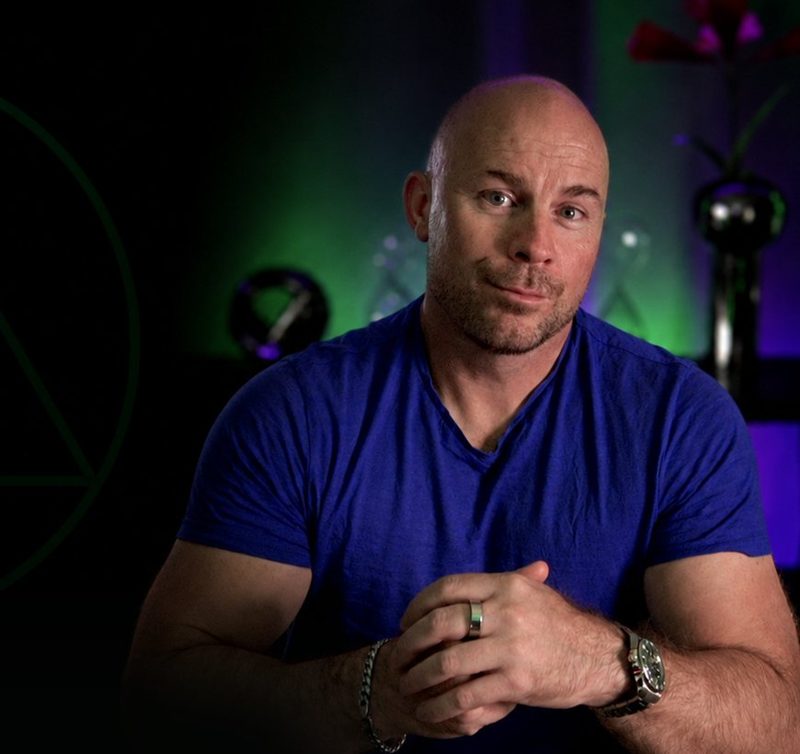
If you’ve tried to talk yourself out of this fear and it hasn’t worked, that isn’t a lack of willpower. A phobia is an alarm your mind learned, and logic alone rarely switches it off.
When I work with a fear of embarrassment, I first find out what the fear is really about for you, whether that is being laughed at, getting things wrong or old memories that still sting. Using hypnotherapy and NLP over Zoom, I help your mind let go of the old alarm, so small slips feel small again. We rehearse an awkward moment in your mind, calmly and in detail, until it feels manageable. You get a recording of the hypnosis to listen to whenever you need it.
I’ve spent 17 years in clinical practice and helped more than 1,000 people with phobias. I hold a Postgraduate Certificate and a Postgraduate Diploma in Clinical Hypnotherapy, both with Distinction.
If you’re feeling low or on edge most of the time, talking to your GP or someone you trust can help too.
Common questions
Is a fear of embarrassment the same as social anxiety?
They overlap a lot. A fear of embarrassment can be part of social anxiety, or it can show up mainly in certain situations. Both respond to the same kind of help.
Why do I keep replaying embarrassing moments?
Your mind is trying to make sure it never happens again. Replaying feels like protection, but it keeps the feeling fresh.
Will I stop caring what people think?
You will still care about people. The aim is for their opinion to stop running your life.
How do sessions work?
I use hypnotherapy and NLP to change how your mind responds to this fear. Sessions are one to one over Zoom, and you get a recording of the hypnosis to listen to afterwards.
How many sessions will I need?
Many clients notice a real difference after one 90 minute session. If the fear goes back a long way, three sessions gives us room to make the change stick.
Further reading: NHS: Phobias, NHS: Social anxiety
Ready to start?
A short call is the simplest next step. We’ll talk about your fear, what you’d like to feel instead, and whether I’m the right person to help.
- Take the free test at the top of this page to see how strong your fear is.
- Book a 30 minute call. Use code PHOBIA at checkout for half price: £24.50 instead of £49 ($29.50 outside the UK).
- Start your sessions over Zoom from wherever you live, or face to face in Hertfordshire.
See all session options and prices